
Last updated on July 10th, 2026 at 08:25 am
Quick Answer: SCDPH reported that three people were exposed to a rabid cat in the Timmonsville area of Florence County, South Carolina. Anyone bitten, scratched, or exposed to saliva from a potentially rabid animal should wash the area immediately, contact a medical provider, and report the animal to local public health or animal control officials. Rabies is almost always fatal once symptoms begin, but prompt post-exposure care is highly effective.
Three people in Florence County were referred for medical evaluation after the South Carolina Department of Public Health reported exposure to a rabid cat near Timmonsville. The cat was found around Center and Aire Acre roads, submitted for testing, and later confirmed positive for rabies.
The report is a reminder that rabies is not limited to raccoons, foxes, skunks, or bats. Domestic animals can become infected when they encounter rabid wildlife, and a friendly-looking stray cat can still pose a serious health risk.
For pet owners, parents, farmers, and anyone who spends time outdoors in South Carolina, the practical lesson is clear: do not handle unfamiliar animals, keep pet vaccines current, and treat possible rabies exposure as urgent until a qualified health professional says otherwise.

What Happened in Florence County
According to the public health report, three people had contact with a cat that later tested positive for rabies. The incident occurred in the Timmonsville area of Florence County, near Center and Aire Acre roads. After laboratory confirmation, health officials advised the exposed individuals to consult healthcare providers.
That sequence is typical for a rabies investigation. Public health teams identify people and pets that may have been exposed, assess whether the contact created a transmission risk, and help coordinate next steps. Those steps may include post-exposure prophylaxis for people and quarantine or booster vaccination for animals.
In 2026, rabies response guidance from public health agencies continues to emphasize speed. A bite from a rabid mammal is the best-known risk, but scratches, saliva entering broken skin, and saliva contacting the eyes, nose, or mouth can also require evaluation.
The case also shows why local reporting matters. A single confirmed rabid animal can trigger follow-up for multiple households, outdoor workers, children, and pets. The faster an animal is reported and tested, the faster exposed people can receive reliable advice.
Why a Rabid Cat Is a Serious Concern
Cats are often curious, independent, and capable hunters. In rural and semi-rural areas, outdoor cats may encounter raccoons, bats, foxes, skunks, or other mammals that can carry rabies. If a cat is not vaccinated, that encounter can become dangerous for both the animal and nearby people.
Rabies attacks the central nervous system. Once clinical signs begin in humans, survival is extremely rare. That is why doctors do not wait for symptoms after a credible exposure. They focus on preventing infection before the virus reaches the nervous system.
For more background on animal health and public safety, readers can explore this related rabies report involving a raccoon and dog. Different locations and species may be involved, but the prevention message is similar.
It is also important not to assume that an infected animal will look dramatic or obviously violent. Some rabid animals are aggressive, but others may appear weak, unusually tame, disoriented, or simply out of place. A stray cat that approaches people, staggers, drools, vocalizes strangely, or seems unable to move normally should not be touched.
How Rabies Exposure Can Happen
Rabies is usually transmitted through saliva from an infected mammal. The most direct route is a bite, because saliva can enter tissue through puncture wounds. However, other contact can also matter, especially if saliva reaches broken skin or mucous membranes.
Touching intact fur is not usually considered a rabies exposure by itself, but real-life encounters are often messy. Someone may pick up a sick cat and later notice a scratch. A child may not remember whether a tooth broke the skin. A rescuer may have small cuts on their hands.
Because details can be uncertain, health officials prefer that people report possible exposure promptly. They can ask targeted questions and decide whether testing, observation, or medical care is needed.
| Type of Contact | Why It Matters | Recommended Response |
|---|---|---|
| Bite that breaks skin | Highest common risk because saliva enters tissue | Wash immediately and seek medical advice the same day |
| Scratch from a sick animal | May involve saliva on claws or nearby broken skin | Clean thoroughly and contact a provider or public health office |
| Saliva in eyes, mouth, or nose | Mucous membranes can allow viral entry | Rinse and seek urgent professional guidance |
| Handling a dead or sick stray | Unknown exposure details can complicate risk assessment | Avoid handling and call animal control |
Medical and Veterinary Disclaimer
This article is for general information only and is not a substitute for medical care, veterinary care, diagnosis, or treatment. Rabies exposure decisions are time-sensitive and depend on the animal, the wound, vaccination status, local risk, and public health guidance.
If you may have been bitten, scratched, or exposed to saliva from a potentially rabid animal, contact a healthcare provider, emergency department, or local public health office immediately. If your pet may have been exposed, call your veterinarian and follow local animal control instructions. Do not delay care because of anything you read online.
What To Do After Possible Exposure
The first step is wound care. Wash bites and scratches thoroughly with soap and running water for several minutes. If available, a medical professional may also recommend additional cleansing steps. Washing does not replace medical evaluation, but it can reduce risk.
Next, call a healthcare provider. Explain what happened, where it happened, what type of animal was involved, whether the animal is available for testing or observation, and whether the person exposed has any immune system concerns.
Do not try to capture a sick animal unless you are trained and equipped to do so. Improvised handling can create more exposures. Instead, keep people and pets away, note the location, and contact animal control or public health officials.
If the animal is a pet, gather vaccination records. If it is a stray or wild animal, provide a description and the last known location. Photos from a safe distance can help, but never move closer to get one.
Post-Exposure Prophylaxis
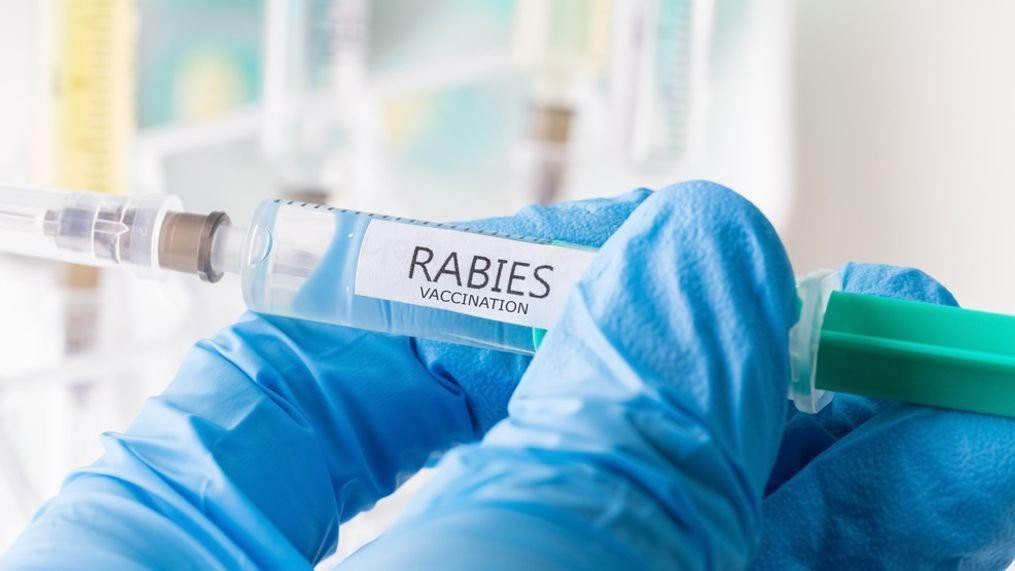
Post-exposure prophylaxis, often called PEP, is the preventive treatment used after a possible rabies exposure. In general, it may include human rabies immune globulin and a series of rabies vaccines. The exact plan depends on the patient and prior vaccination history.
PEP is considered highly effective when started promptly and completed as directed. Missing doses or delaying evaluation can increase risk, so follow the schedule provided by your healthcare team.
Signs That an Animal May Be Rabid
No checklist can prove an animal has rabies without proper testing. Still, certain behaviors should be treated as warning signs, especially when they appear suddenly or do not match the species.
| Warning Sign | What You Might Notice |
|---|---|
| Unusual aggression | Biting, lunging, or attacking without clear cause |
| Disorientation | Staggering, circling, falling, or seeming unaware of surroundings |
| Abnormal tameness | A wild or stray animal approaching people without fear |
| Excessive drooling | Foaming, wet mouth, or trouble swallowing |
| Daytime activity in nocturnal wildlife | Raccoons, skunks, or bats acting strangely in daylight |
These signs can also be caused by injury, poisoning, distemper, heat stress, or other illnesses. The safe response is the same: do not touch the animal, keep children away, protect pets, and call trained responders.
Prevention Checklist for Households
Rabies prevention works best before there is an emergency. A few routine habits can reduce the chance that your family or pets will face a risky encounter.
- Keep dogs, cats, and ferrets current on rabies vaccination as required by local law and veterinary guidance.
- Keep cats indoors when possible, or supervise outdoor time in secure areas.
- Do not feed stray cats, raccoons, foxes, skunks, or other wildlife near your home.
- Secure trash, pet food, bird seed, and compost that may attract wildlife.
- Teach children not to pet, pick up, or rescue unfamiliar animals.
- Report sick, injured, unusually aggressive, or unusually tame animals.
- Use a licensed wildlife professional for bats in homes or nuisance wildlife concerns.
For broader pet safety reading, see this Spencer Zoo article about a cat-related public safety controversy and this animal health alert about screwworm concerns. These stories show how quickly animal welfare issues can become community health issues.
Pros and Cons of Outdoor Access for Cats
Outdoor access is a common debate for cat owners. Some cats enjoy the stimulation of outdoor life, but rabies risk is one reason many veterinarians encourage indoor living or controlled outdoor enrichment.
| Choice | Potential Pros | Potential Cons |
|---|---|---|
| Indoor-only cat | Lower risk of wildlife fights, vehicle injury, parasites, and rabies exposure | Needs enrichment, climbing space, play, and weight management |
| Free-roaming outdoor cat | More natural exploration and exercise | Higher risk of rabies exposure, injuries, disease, getting lost, and wildlife predation |
| Supervised or enclosed outdoor time | Fresh air and stimulation with more owner control | Requires planning, secure fencing, harness training, or a catio |
A practical compromise is supervised outdoor enrichment. Catios, harness walks, window perches, puzzle feeders, and structured play can reduce boredom while limiting contact with unknown animals.

Why Vaccination Matters
Rabies vaccination is one of the most effective tools for protecting pets and people. A vaccinated pet that encounters a rabid animal is usually handled very differently from an unvaccinated pet, and the outcome can be much less severe for the household.
Pet owners should keep written and digital copies of vaccination records. If your dog or cat bites someone, is bitten by wildlife, or is involved in a public health investigation, those records can speed decisions.
Vaccination schedules vary by product, age, local law, and veterinary recommendation. In 2026, the key advice remains unchanged: do not guess about rabies status. Confirm it with your veterinarian.
Readers interested in responsible animal ownership can also visit The Spencer Zoo homepage, browse cat-focused stories and care topics, or review pet health coverage for more prevention-minded articles.
Community Response in 2026
Florence County residents do not need to panic, but they should take the report seriously. Rabies is rare in people in the United States because public health systems, animal testing, vaccination, and post-exposure care work together. That system depends on fast reporting.
If a neighborhood sees a sick cat, a bat inside a bedroom, a raccoon fighting with pets, or any mammal acting strangely, the safest choice is to create distance and call the proper local authority. Posting online may warn neighbors, but it should not replace an official report.
Schools, churches, farms, rescue groups, and neighborhood associations can help by sharing simple messages: do not touch unfamiliar animals, keep vaccines current, and report bites immediately. These reminders are especially important for children, who may hide bites because they fear getting in trouble.
Animal rescue volunteers should also use extra caution. Compassion is valuable, but bare-handed rescue of a sick stray can put several people at risk. Gloves, carriers, bite prevention training, quarantine procedures, and veterinary partnerships are essential.
Frequently Asked Questions
Can a person get rabies from touching a cat?
Touching dry fur or intact skin is not usually considered a rabies exposure. The concern is saliva entering a bite, scratch, open wound, eyes, nose, or mouth. If you are unsure what happened, contact a healthcare provider or public health office.
What should I do if a stray cat bites me?
Wash the wound well with soap and running water, seek medical advice promptly, and report the bite to local authorities. Do not wait to see whether symptoms develop. Rabies prevention must happen before symptoms appear.
Can my vaccinated pet still need care after contact with a rabid animal?
Yes. Vaccinated pets may still need veterinary evaluation, a booster, observation, or reporting depending on the exposure and local rules. Call your veterinarian and follow public health instructions.
Why are cats involved in rabies reports?
Cats can be exposed when they roam outdoors and encounter infected wildlife. Unvaccinated outdoor cats are at higher risk because they may fight, hunt, or investigate sick animals.
Is rabies still a problem in South Carolina in 2026?
Yes. Rabies remains present in wildlife in South Carolina and across much of the United States. Human cases are uncommon because exposures are investigated, pets are vaccinated, and post-exposure treatment is available.
Conclusion
The Florence County rabid cat report is a serious but manageable public health warning. Three people were exposed, and the correct response was medical referral, testing, and public awareness.
For residents, the best protection is simple: avoid contact with unfamiliar animals, keep pets vaccinated, secure food sources that attract wildlife, and report suspicious animal behavior quickly. If exposure may have occurred, wash the area and seek professional advice immediately.
Rabies is preventable when people act early. Staying calm, informed, and cautious can protect your family, your pets, and your community.