Last updated on July 7th, 2026 at 01:43 am
Disclosure: Some of the links below are affiliate links, meaning at no additional cost to you, The Spencer Zoo may earn a commission if you click through and make a purchase.
Have you ever wondered how you can make a difference for the wildlife around you? The New Mexico Wildlife Center offers an incredible opportunity to learn about and care for animals in need.

This image is property of www.krqe.com.
Quick Answer: The New Mexico Wildlife Center in Española, NM, is a wildlife hospital and educational facility that has treated over 600 animals from 127 species this year alone. Open daily for animal intakes and six days a week for public visits, the center rehabilitates injured, ill, and orphaned wildlife with a dedicated team of 12–13 full-time staff including a veterinarian. You can help by donating, volunteering, attending educational programs, or spreading awareness about their mission.
What is the New Mexico Wildlife Center?
Located in the scenic town of Española, the New Mexico Wildlife Center serves as both an educational facility and a wildlife hospital. Its mission is to rehabilitate injured, ill, or orphaned wild animals, allowing them to return to their natural habitats. The center has become a vital resource for both the local community and diverse wildlife, providing care and protection to animals who are unable to thrive on their own.
Founded with the goal of bridging the gap between humans and the natural world, the center operates as a nonprofit organization that depends heavily on community support. Every animal that passes through its doors receives individualized medical attention, nutritional support, and a carefully planned rehabilitation program designed to maximize its chances of a successful release. The facility itself is equipped with specialized enclosures, medical equipment, and outdoor flight pens that mimic natural conditions, allowing recovering animals to rebuild their strength and instincts before returning to the wild.
The New Mexico Wildlife Center is more than just a hospital—it is a sanctuary of hope for creatures that have been struck by vehicles, caught in fences, orphaned after their parents were killed, or sickened by environmental toxins. Many of these animals would have no chance of survival without professional intervention. The center steps in at the critical moment, offering a second chance at life in the wild.
A Growing Impact
In just this year, the New Mexico Wildlife Center has treated over 600 animals from 127 different species. This impressive number highlights the center’s role in wildlife conservation and rehabilitation. The animals you might encounter at the facility range from small creatures like deer mice and prairie dogs to larger animals such as coyote pups and bobcats, as well as countless bird species.
This diversity of species demonstrates the center’s commitment to aiding a wide variety of wildlife, showcasing the important role it plays in preserving the local ecosystem. To put that number in perspective, treating 600 animals in a single year means the staff is handling an average of roughly 12 new patients per week, each with its own unique medical history, dietary requirements, and rehabilitation timeline. From hummingbirds weighing just a few grams to great horned owls with five-foot wingspans, the center’s caseload reflects the incredible biodiversity of northern New Mexico.
Seasonal patterns also play a significant role at the center. Spring and early summer bring a surge of orphaned baby animals—fawns, raccoon kits, squirrel pups, and nestling birds that have fallen from trees or been separated from their mothers. Late summer and fall often see an increase in adult animals injured by vehicles or caught in conflicts with domestic pets. Understanding these patterns helps the center prepare resources and staffing to meet fluctuating demand throughout the year.
Meet the Team
The dedicated staff at the New Mexico Wildlife Center plays a crucial role in the successful rehabilitation of these animals. With 12 to 13 full-time members, including a veterinarian and wildlife rehabilitators, the center boasts a team with a wealth of expertise. Each staff member specializes in different areas, contributing to an all-encompassing approach to wildlife care.
Working in wildlife rehabilitation requires a unique combination of medical knowledge, physical stamina, and deep compassion. The veterinary team performs surgeries, sets broken bones, treats infections, and manages complex medical cases that would challenge many small-animal clinics. Rehabilitators handle the day-to-day care: preparing specialized diets, administering medications, cleaning enclosures, and monitoring behavioral progress. Many staff members hold certifications in wildlife rehabilitation and participate in ongoing training to stay current with best practices in the field.
The center also relies on a network of trained volunteers who assist with everything from animal care to administrative tasks. These volunteers undergo rigorous training to ensure they can handle wildlife safely and humanely. For many, volunteering at the center becomes a deeply rewarding experience that connects them with nature in a profound way.
Collaboration for Better Outcomes
One of the center’s strengths lies in its collaboration with other wildlife rehabilitators. By sharing knowledge, resources, and techniques, the team ensures that animals receive the best possible care. This cooperation among wildlife professionals reflects a unified purpose: to nurture and rehabilitate wild animals so they can return to their natural habitats.
The center is part of a broader network of rehabilitation facilities across the Southwest, including partnerships with organizations like the Carolina Wildlife Conservation Center. This network allows for the transfer of specialists, the sharing of hard-to-find supplies, and the collaborative development of treatment protocols for species that are rarely seen in captivity. When a particularly unusual case arrives—such as a threatened species or an animal with a rarely seen injury—the center can consult with experts across the country to determine the best course of action.
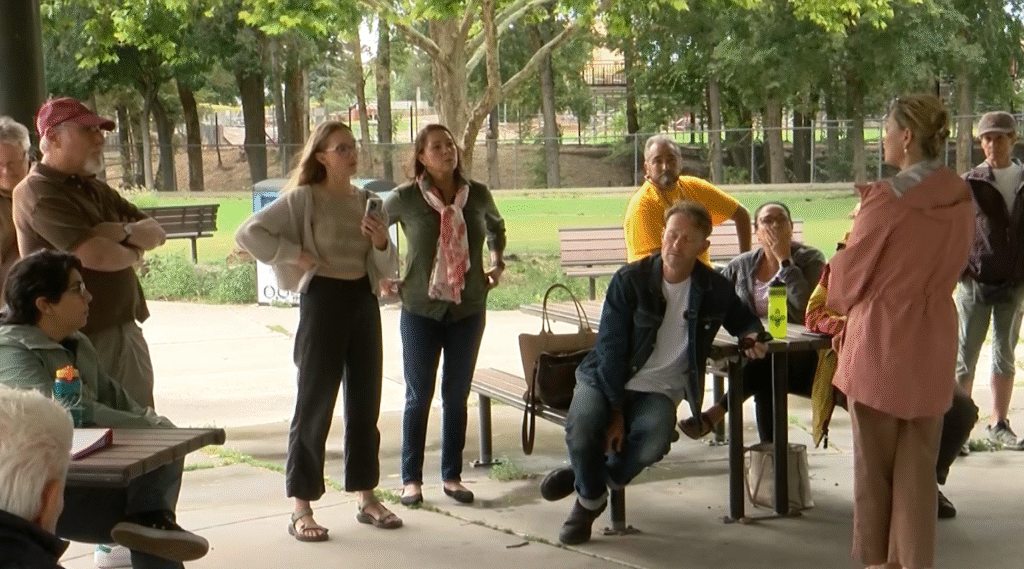
This image is property of www.krqe.com.
Services Offered by the New Mexico Wildlife Center
The center is open every day, ready to accept injured, ill, or orphaned animals. Additionally, it is accessible to the public six days a week, with opportunities to learn and engage with wildlife. The center operates a dedicated helpline that community members can call for guidance on wildlife emergencies, and the staff is trained to provide clear, calm instructions even in stressful situations.
When an animal arrives at the center, it undergoes a thorough intake assessment. The team evaluates its condition, determines the cause of its distress, and develops a treatment plan tailored to its species and specific injuries. Some animals require only a few days of rest and hydration before they can be released, while others may need months of rehabilitation before they are strong enough to survive on their own. Throughout this process, the center maintains detailed medical records for every patient, contributing valuable data to the field of wildlife medicine.
Accepting Wild Animals
If you encounter a wild animal that requires assistance, you can contact the New Mexico Wildlife Center. The staff is trained to provide guidance on safe handling and transportation of wild creatures. It’s essential to remember that many animals can be stressed and agitated when in human contact, so understanding how to effectively aid them without causing further harm is crucial.
The center advises that you never attempt to handle a potentially dangerous animal on your own. Instead, call ahead and follow the staff’s instructions carefully. In many cases, they will ask you to describe the animal’s condition, location, and behavior so they can determine whether intervention is truly necessary. Sometimes, what appears to be an abandoned baby animal is actually a healthy youngster whose mother is nearby foraging for food. The center’s experts can help you distinguish between a genuine emergency and a natural situation that should be left alone.
When transport is needed, the center recommends placing small animals in a well-ventilated cardboard box lined with a soft cloth. Keep the container warm, quiet, and dark to reduce stress. Do not offer food or water unless specifically instructed to do so, as improper feeding can do more harm than good. Larger animals or those that appear aggressive should only be handled by trained professionals with appropriate equipment.
Importance of Not Feeding Wild Animals
The center emphasizes the significance of not feeding wild animals. It may seem compassionate, but improper diets can lead to health issues and dependency on humans, which can jeopardize their survival in the wild. The team at the center advises instead on how to encourage natural behaviors in animals while ensuring their well-being.
Many people do not realize that human food—even seemingly healthy options like bread, nuts, or fruit—can be harmful to wildlife. Each species has evolved to digest specific foods, and feeding them the wrong items can cause malnutrition, digestive problems, and even fatal conditions. For example, bread fed to waterfowl can lead to a condition called “angel wing,” a deformity that prevents birds from flying. Similarly, feeding predatory animals can cause them to lose their natural fear of humans, leading to dangerous encounters that often end with the animal being euthanized.
Feeding wildlife also concentrates animals in unnaturally high densities, which promotes the spread of diseases like avian pox and distemper. If you truly want to help local wildlife, the center recommends planting native vegetation, providing natural water sources, and securing trash and compost bins rather than offering direct food handouts.
Educational Opportunities
In addition to rehabilitation efforts, the New Mexico Wildlife Center takes pride in its educational programs. Educational opportunities allow you to deepen your understanding of wildlife and the environment, inspiring a sense of responsibility toward conserving natural habitats. The center welcomes school groups, community organizations, and individual visitors who want to learn more about the animals that share our world.
Education is a cornerstone of the center’s mission because prevention is always better than rehabilitation. By teaching people how to coexist peacefully with wildlife, the center reduces the number of animals that need to be rescued in the first place. Programs emphasize practical skills like identifying common wildlife species, understanding animal behavior, and knowing what to do when you encounter an injured creature.
Engaging Programs
The center offers a variety of programs focused on different aspects of wildlife care and conservation. These might include hands-on experiences, workshops, and lectures about wildlife rehabilitation, ecology, and environmental stewardship. By participating in these programs, you can gain valuable insights into the challenges facing wildlife today and learn how to make a positive impact.
Special events throughout the year, such as public release days and open houses, give the community a chance to witness rehabilitation success stories firsthand. Watching a hawk that arrived with a broken wing soar back into the sky is an unforgettable experience that underscores the value of the center’s work. These events also serve as fundraisers that help sustain the center’s operations year-round.
Volunteer Opportunities
There are numerous volunteer opportunities at the New Mexico Wildlife Center for those who want to contribute directly to wildlife care and education. Volunteering can involve anything from assisting with animal care to helping run educational programs. It allows you to become an active participant in wildlife preservation while learning skills that can enhance your own understanding of animal welfare.
Volunteer shifts are flexible and can accommodate a variety of schedules. Some volunteers commit to a regular weekly shift, while others help out during busy seasons or special events. Training is provided for all roles, and no prior experience with wildlife is necessary—just a willingness to learn and a genuine love for animals. Volunteers often describe their experience as transformative, gaining hands-on skills that range from preparing specialized animal diets to assisting with public outreach at community festivals.
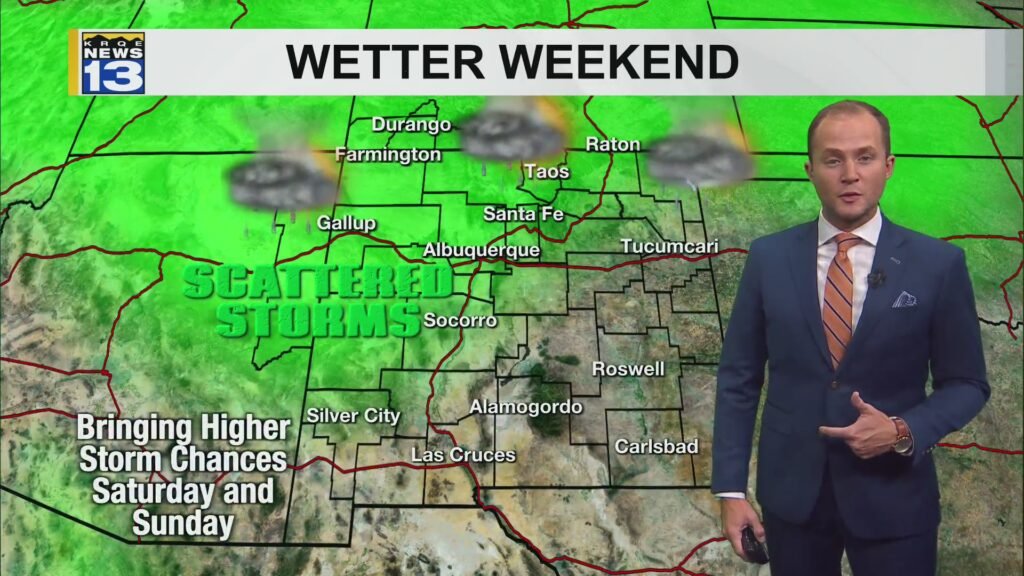
This image is property of www.krqe.com.
Staying Connected
The New Mexico Wildlife Center maintains an informative website where you can find more information about its services, volunteer opportunities, and events. Staying connected with the center is a wonderful way to support its mission and engage with the larger community of wildlife advocates. Social media channels provide real-time updates on new arrivals, release success stories, and urgent needs, making it easy to stay involved even from a distance.
The center also publishes a regular newsletter that highlights recent cases, introduces staff members, and shares tips for coexisting with wildlife. Subscribers are often the first to learn about special events, volunteer orientations, and emergency fundraising appeals. Following the center on social media and signing up for its newsletter are simple but meaningful ways to show your support.
How You Can Help
If you’re looking for ways to make a difference, here are some ideas:
| Action | Description |
|---|---|
| Donate | Financial support helps the center provide necessary care and resources for injured wildlife. Even small monthly donations add up and provide predictable funding for ongoing operations. |
| Volunteer | Offering your time and skills can greatly benefit the center and is a fulfilling way to connect with wildlife. No prior experience is necessary—training is provided for all roles. |
| Spread Awareness | Sharing information about the center and its mission can help inform your friends and family about the importance of wildlife conservation. Word of mouth remains one of the most powerful tools for growing community support. |
| Participate in Events | Join local events, workshops, or community outreach programs to learn more about wildlife and how you can help. These gatherings are also a great way to meet like-minded conservation advocates. |
| Wish List Donations | The center maintains a wish list of needed supplies, from medical equipment to cleaning products to specialized animal food. Donating items directly ensures your contribution goes exactly where it is needed most. |
Conclusion
Caring for wildlife is a collective effort that requires compassion, awareness, and action. The New Mexico Wildlife Center represents a shining example of how compassionate care, dedicated staff, and community involvement can come together to create a nurturing environment for animals in need.
By supporting the center—whether through volunteering, donating, or simply spreading the word—you have the power to make a positive impact on the wildlife in your community. Every action counts, and with a shared commitment to caring for our natural world, we can ensure a brighter future for all its inhabitants.
The challenges facing wildlife today are significant, but organizations like the New Mexico Wildlife Center prove that meaningful change is possible. Habitat loss, climate change, vehicle collisions, and human-wildlife conflicts will continue to put pressure on animal populations, but each animal that is successfully rehabilitated and released represents a small victory for conservation. By standing with the center, you become part of that victory.

This image is property of www.krqe.com.
Frequently Asked Questions
What should I do if I find an injured bird or animal?
First, observe from a safe distance to determine whether the animal truly needs help. If it is clearly injured, bleeding, or unable to move, contact the New Mexico Wildlife Center for guidance. In most cases, they will advise you to place small animals in a ventilated box lined with a soft cloth, keep them warm and quiet, and transport them to the center as soon as possible. Do not offer food or water unless instructed.
Does the New Mexico Wildlife Center charge for accepting animals?
No, the center does not charge members of the public for accepting injured, ill, or orphaned wildlife. The center operates on donations, grants, and community support to cover the costs of medical care, food, facilities, and staffing. If you would like to help offset the cost of treatment, the center gratefully accepts donations of any size.
Can I visit the New Mexico Wildlife Center just to see the animals?
Yes, the center is open to the public six days a week. Visitors can explore educational exhibits, meet the center’s resident ambassador animals (non-releasable animals that serve as educational companions), and learn about ongoing rehabilitation efforts. Public visiting hours and admission policies are posted on the center’s official website.
Can I bring a pet that was injured by a wild animal to the center?
The New Mexico Wildlife Center is exclusively a wildlife hospital and cannot accept domestic pets. If your cat, dog, or other pet has been injured by a wild animal, you should contact your regular veterinarian or an emergency veterinary clinic immediately. The center can, however, provide advice on preventing future encounters between pets and wildlife.
How can I volunteer if I have no experience with animals?
The center welcomes volunteers of all backgrounds and provides comprehensive training for every role. No prior wildlife experience is required. Volunteer positions include assisting with animal care, helping with educational programs, supporting administrative tasks, and maintaining the facility grounds. If you are interested, check the center’s website for upcoming volunteer orientation sessions.