Last updated on July 9th, 2026 at 02:33 am
Disclosure: Some of the links below are affiliate links. This means that, at zero cost to you, we may earn a commission if you click through and make a purchase. As an Amazon Associate, we earn from qualifying purchases.
Veterinary Disclaimer: This article is for informational purposes only and does not constitute veterinary advice. Always consult a qualified veterinarian regarding your pet’s health and medical needs. In an emergency, seek immediate professional veterinary care.
Quick Answer
Northeastern University offers pet CPR training courses led by experienced police officers in Boston. The program features hands-on practice using life-sized plush animals, covers CPR techniques for different breeds, choking resolutions, first aid measures, and distress recognition. Sessions are part of the Northeastern Police Department’s community engagement initiative running since 2021. Training typically lasts 2–3 hours and costs between $25–$50 per person.
What would you do if your beloved pet suddenly stopped breathing or went into cardiac arrest? It’s a thought many pet owners prefer to avoid, but being prepared can mean the difference between life and death. Fortunately, Northeastern University in Boston offers a unique hands-on program that teaches pet CPR and emergency first aid to the public.
Pet emergencies can happen at any time. Knowing how to respond before you reach a veterinary hospital can drastically improve your pet’s chances of survival. Let’s explore what this program offers and why every pet owner should consider signing up in 2026.
Why Pet CPR Training Matters More Than Ever in 2026
Pet ownership in the US has reached an all-time high in 2026, with over 70% of households sharing their homes with at least one animal. As our bond with pets deepens, so does the responsibility to protect them in emergencies.
Cardiac arrest is a leading cause of sudden death in dogs and cats. Without immediate intervention, survival rates plummet. Pet CPR training gives you the skills to stabilize your pet until professional help arrives.
Pets who receive immediate CPR from their owners before reaching an emergency clinic have significantly better outcomes. Your willingness to learn could save your best friend’s life.
What Northeastern University’s Pet CPR Course Covers
Northeastern University has taken a leading role in community pet safety education. Their pet CPR training program is comprehensive, accessible, and designed for pet owners of all experience levels.
Course Modules
The curriculum is divided into focused modules to ensure you master each skill before moving on:
| Course Module | What You’ll Learn |
|---|---|
| Recognizing Signs of Distress | How to spot behavioral and physical changes that indicate an emergency. |
| Basic CPR Techniques | Proper chest compression depth, rate, and rescue breathing for dogs and cats. |
| Choking Resolutions | How to safely dislodge airway obstructions using modified Heimlich maneuvers. |
| First Aid Measures | Wound care, fracture stabilization, and poisoning response protocols. |
| Emergency Planning | Creating a pet emergency kit and knowing when to transport versus treat on-site. |
Each module includes a mix of lecture-style instruction and hands-on practice. The goal is for you to walk away feeling confident, not overwhelmed.
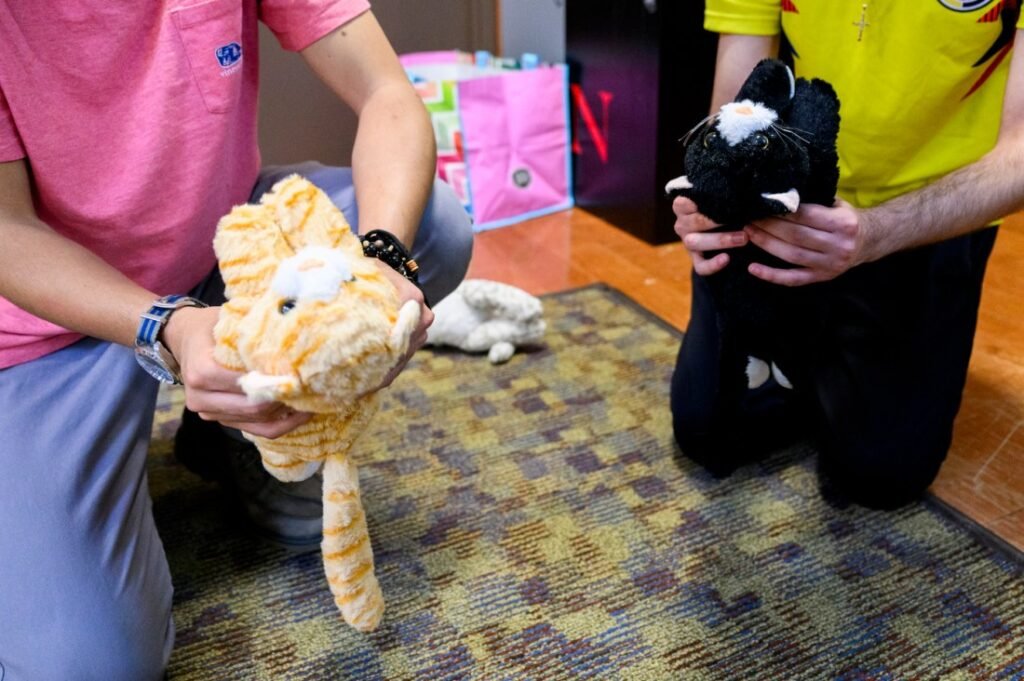
Image property of news.northeastern.edu.
Who Teaches the Course?
The training is led by officers from the Northeastern University Police Department, all of whom have extensive field experience in CPR and emergency response for both humans and animals. Their real-world backgrounds bring an invaluable layer of credibility to the classroom.
Instructors share case studies and scenarios drawn from actual calls, helping you understand not just how to perform CPR but also how to assess a situation dynamically. This level of insight is something you won’t find from an online video alone.
Hands-On Practice With Life-Sized Plush Animals
One of the standout features of the Northeastern program is the use of life-sized plush animal mannequins. These realistic models allow you to practice proper hand placement, compression depth, and rescue breathing in a low-stress environment.
Muscle memory is critical during a real emergency. When panic sets in, your body will remember the motions you practiced. The plush animal approach eliminates the fear of hurting a real pet while you learn, making it ideal for nervous first-timers.
Practical Exercises You Will Perform
| Exercise | Purpose |
|---|---|
| Chest Compressions on Plush Models | Build muscle memory for correct compression rate and depth. |
| Rescue Breathing Drills | Practice proper airway positioning and breath delivery for different snout shapes. |
| Choking Response Simulations | Learn and rehearse the animal Heimlich maneuver. |
| Scenario-Based Role Play | Respond to mock emergencies to improve reaction time and decision-making. |
These exercises ensure that by the end of the session, you are ready to act decisively and correctly when your pet needs you most.
Recognizing Signs of Distress in Pets
Early recognition of a medical emergency is often the hardest part for new pet owners. Animals instinctively hide pain and weakness, making it easy to miss the warning signs.
Northeastern’s training dedicates significant time to helping you identify red flags before a situation becomes critical.
Common Signs Your Pet Needs Help
- Abnormal breathing: Labored, rapid, or shallow breathing can indicate heart failure, lung disease, or shock.
- Collapse or unresponsiveness: If your pet suddenly falls over or does not react to your voice, act immediately.
- Blue or pale gums: This signals oxygen deprivation and requires urgent intervention.
- Unusual vocalizations: Whining, howling, or yelping without an obvious cause may point to internal pain.
- Excessive drooling or gagging: Could indicate nausea, poisoning, or a foreign body obstruction.
Learning these warning signs empowers you to seek help early, often preventing a full cardiac or respiratory arrest.
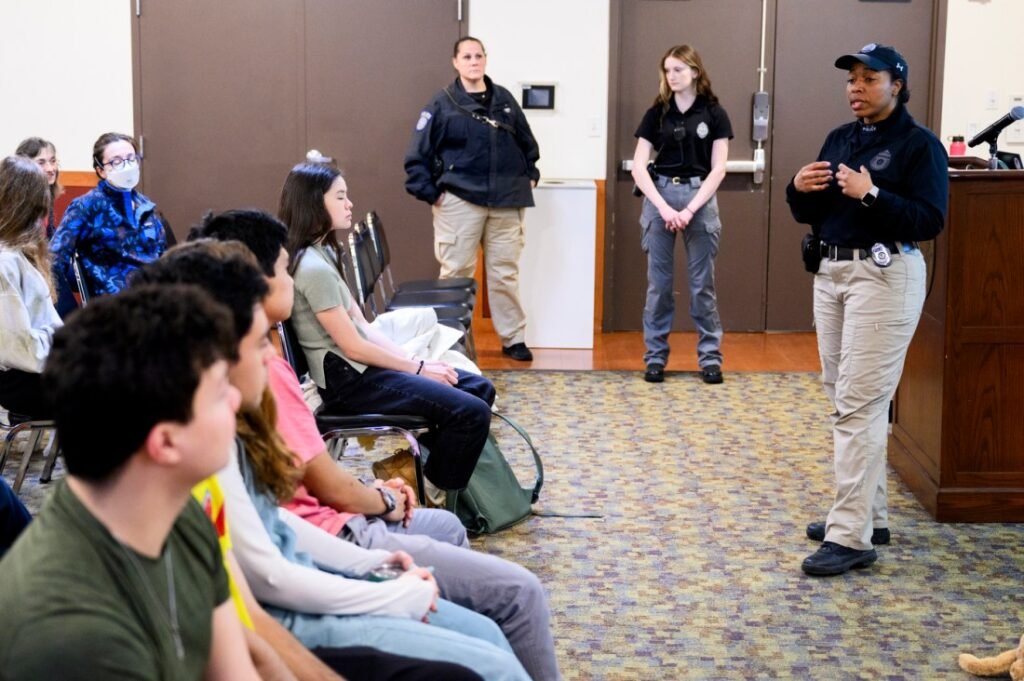
Image property of news.northeastern.edu.
Adapting CPR Techniques for Different Breeds and Sizes
CPR is not one-size-fits-all when it comes to pets. A Great Dane and a Chihuahua require vastly different approaches. Understanding these differences is a key part of the course.
Breed-Specific Adjustments
| Pet Type | CPR Approach |
|---|---|
| Small Dogs (under 30 lbs) | Compressions with one hand over the heart; gentle rescue breaths. |
| Large Dogs (over 30 lbs) | Two-handed compressions on the widest part of the chest; greater force needed. |
| Brachycephalic Breeds (Pugs, Bulldogs) | Extra attention to airway positioning due to flat snouts. |
| Cats | One-hand compressions; very gentle rescue breaths; keep environment calm. |
The instructors will walk you through each variation with plenty of repetition so that the technique becomes second nature regardless of what kind of pet you own.
Pros and Cons of Northeastern’s Pet CPR Training
Pros
- Led by experienced police officers with real emergency response backgrounds.
- Hands-on format with life-sized plush mannequins for realistic practice.
- Covers multiple species and breed sizes so the training applies to almost any pet.
- Affordable pricing compared to private pet first aid courses.
- Community-focused — proceeds often support local animal welfare initiatives.
- Certificate of completion available for participants.
Cons
- Limited locations — currently only offered on the Boston campus.
- Class size caps mean availability fills up quickly.
- No online option — you must attend in person to receive the full training.
- Not a substitute for veterinary education — the course focuses on emergency stabilization, not medical diagnosis.
How Pet CPR Training Has Evolved
Formal guidelines for pet CPR were first established by the veterinary community around 2012, with major updates published in 2014. Since then, training has become increasingly standardized and accessible.
Northeastern University joined this movement in 2021 when its police department launched community pet CPR sessions. What started as a small outreach program has grown into a sought-after course with regular waitlists.
The growth reflects a broader cultural shift: pet owners no longer view CPR as a skill reserved for veterinarians. More people recognize that the minutes between an emergency and reaching the vet are critical, and they want to be prepared.

Image property of news.northeastern.edu.
Community Impact and Engagement
Since its inception, the program has trained hundreds of Boston-area pet owners. Participants regularly report feeling more confident in their ability to handle emergencies after just one session.
The Northeastern Police Department sees the program as a way to build trust and connection within the community. By offering free and low-cost training, they are making life-saving knowledge accessible to everyone regardless of income.
For pet owners, the training fosters a deeper bond with their animals. Knowing you have the skills to protect your pet brings peace of mind that no pet insurance policy can replace. If you’re interested in other ways to keep your pet safe, check out our guide on essential pet first aid kit items every owner should have at home.
How to Enroll in Northeastern’s Pet CPR Course
Registration is handled through the Northeastern University Police Department’s community outreach page. Sessions are typically held on weekends to accommodate working pet owners.
Spots fill quickly, so early registration is strongly recommended. You can also check if your own veterinarian offers complementary first aid classes. For a broader list of emergency preparedness resources, read our article on pet emergency preparedness checklists for every season.
Frequently Asked Questions
What is the cost of pet CPR training at Northeastern University?
As of 2026, the course costs between $25 and $50 per person, depending on the session length and included materials. Some community-sponsored sessions are offered free of charge.
Do I need to bring my own pet to the training?
No. All practice exercises are performed on life-sized plush animal mannequins. This removes the risk of injury and allows you to focus on technique without worrying about your pet’s comfort.
Is the training suitable for cat owners as well as dog owners?
Absolutely. The curriculum covers both dogs and cats, including specific technique adjustments for feline anatomy, size, and temperament.
How long does the course last?
Most sessions run between 2 and 3 hours. This includes instruction time, hands-on practice, and a Q&A period at the end.
Will I receive a certificate after completing the course?
Yes. Participants who complete the training receive a certificate of completion from the Northeastern University Police Department. While not a professional veterinary credential, it is a valuable record of your training.
What to Look for in a Pet CPR Course
If you cannot attend Northeastern’s program, there are other options to consider. The American Red Cross offers online and in-person pet first aid classes. Many local animal shelters also host affordable training events.
When evaluating a course, look for hands-on practice components, experienced instructors, and breed-specific guidance. Avoid any program that promises to replace veterinary care; CPR training is a bridge to professional help, not a substitute for it. For more on vet-recommended safety practices, visit our post on vet-approved summer safety tips for dogs.
Preparing for an Emergency Before It Happens
Beyond taking a CPR course, there are several steps you can take today to be ready for a pet emergency:
- Keep a list of emergency veterinary clinics stored in your phone and posted on your refrigerator.
- Assemble a pet first aid kit with bandages, antiseptic, a digital thermometer, and your vet’s contact information.
- Practice handling your pet’s paws, mouth, and body so they are comfortable being examined.
- Know the location of the nearest 24-hour animal hospital before you need it.
Preparation is a gift you give both to yourself and your pet. When every second counts, having a plan removes hesitation and allows you to focus entirely on your animal. You can also read our guide on how to pet-proof your home for more proactive safety tips.
How This Training Strengthens the Human-Animal Bond
Pet ownership is built on trust and mutual care. When your pet senses that you are calm and capable, they are more likely to remain calm as well. Learning CPR is one of the most tangible ways to demonstrate your commitment to your pet’s well-being.
The confidence gained from this training extends beyond emergencies. Many graduates report being more attentive to subtle changes in their pet’s behavior and health, catching potential problems earlier than they would have before.
This heightened awareness improves quality of life for both you and your pet. For more ways to strengthen your relationship with your pet, explore brain games for dogs to prevent boredom and keep their minds sharp.
Conclusion: A Skill Every Pet Owner Should Have in 2026
Northeastern University’s pet CPR training program is an exceptional opportunity for Boston-area pet owners to gain life-saving skills in a supportive, hands-on environment. With experienced police officers as instructors, breed-specific techniques, and a strong community focus, the course delivers far more than just a certificate.
Whether you own a lively Labrador, a delicate cat, or a brachycephalic breed with special airway needs, this training prepares you for the moments that matter most. The peace of mind that comes from knowing you can act effectively in an emergency is invaluable.
If you live outside Boston, look for similar programs at local shelters, community colleges, or through the American Red Cross. Whatever path you choose, make 2026 the year you invest in your pet’s safety. Your furry friend is counting on you.
For more pet care resources, check out our articles on senior dog care tips and cat nutrition guide for complete wellness advice.