Last updated on July 7th, 2026 at 01:43 am
Disclosure: Some of the links below are affiliate links. This means that, at zero cost to you, I may earn an affiliate commission if you click through the link and finalize a purchase.
Quick Answer: Pet fire safety starts with including your pets in your family evacuation plan. Create a designated safe space, keep a pet emergency kit with carrier and first-aid supplies, train your dog in essential commands like emergency recall, and prevent fires by securing candles, cords, and cooking areas. For Springfield residents, professional trainers like Side Kick Dog Training can help teach the obedience skills your dog needs to respond reliably during an emergency.
What preparations have you made to ensure the safety of your furry friends during an emergency? Many pet owners often focus on disaster preparedness for themselves and their families but may overlook the essential needs of their pets. Learning about pet fire safety is crucial, as it can make a significant difference in the event of a fire. Whether you have a dog, cat, or another pet, ensuring they are safe during such emergencies should be a priority.
Understanding Pet Fire Safety
When it comes to fire safety, your pets need to be included in your emergency plans. Pets can become confused and scared during a fire emergency, making it difficult for them to find their way to safety. The key is to establish protocols beforehand. Being proactive can save a life, so let’s explore some essential tips for pet fire safety.

This image is property of www.ozarksfirst.com.
The Importance of Planning
Planning is foundational to fire safety. Just as you have an escape plan for your family, you should also have a robust plan for your pets. This includes knowing where to find them, how to transport them, and what to do if they are not immediately reachable. Working with a professional dog trainer — like Springfield Side Kick Dog Training — can reinforce the obedience and recall skills your dog needs to stay safe.
Create an Evacuation Plan
Make sure you designate safe exits and ensure that all family members are aware of how to evacuate, including where the pets are kept. Regularly practicing evacuation drills helps ensure that everyone, including the pet, knows what to do.Pet Identification
In the chaos of a fire, it’s easy for pets to wander off. Ensure they have a collar with an ID tag that includes your contact information. Additionally, consider having your pet microchipped. This small chip can help reunite you if you get separated.
Fire Prevention Tips for Pet Owners
Preventing a fire is the first step to keeping your pets safe. Here are some effective prevention strategies:
Keep Flammable Materials Away
Store items like matches, candles, lighters, and flammable liquids securely out of reach of pets. Dogs and cats are naturally curious and can knock over items that cause fires.Supervise When Cooking
Cooking is one of the primary causes of home fires. Always supervise your pets in the kitchen while cooking, and avoid leaving them unattended near a stove.Secure Electrical Cords
Pets love to chew on things, including electrical cords. Use cord covers or tape to secure cords against walls, minimizing the risk of electric shock or spark fires.
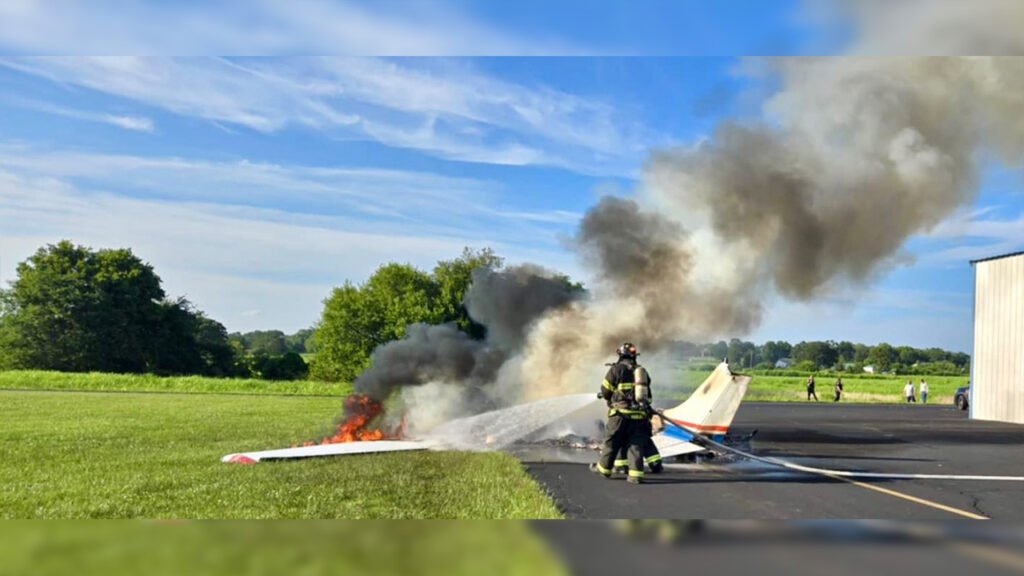
This image is property of www.ozarksfirst.com.
| Category | Action Items |
|---|---|
| Prevention | Store flammables away; supervise cooking; secure cords; use flameless candles |
| Planning | Map two escape routes; assign a family member per pet; practice drills monthly |
| Identification | Collar with tags; microchip; current photos of each pet |
| Emergency Kit | Carrier; leash; food & water; meds; first-aid supplies; comfort items |
| Training | Reliable recall (come, stay, leave it); desensitize to alarm sounds |
Emergency Preparedness Kits for Pets
In addition to creating a plan, gathering supplies for emergencies is equally important. Having a pet emergency kit readily available can make all the difference.
Pet Carrier
Ensure you have a sturdy, well-ventilated pet carrier that’s easy for you to handle in an emergency. Familiarizing your pet with the carrier can also help them feel more secure during stressful situations.First-Aid Supplies
Your pet’s first-aid kit should include basic supplies like bandages, antiseptic wipes, and any medications your pet requires. Don’t forget to learn basic first-aid techniques for pets!Comfort Items
Including your pet’s favorite toys, blankets, and other comfort items can help soothe them in stressful situations. Familiar items can be very comforting when they are displaced.
Training Your Pets
Training your pets can play a significant part in helping with fire safety. Engaging in training can make your pets more responsive and easier to manage during emergencies. For Springfield-area dog owners, Side Kick Dog Training offers programs that focus on real-world obedience and impulse control — exactly the skills that translate to fire-safety readiness.
Basic Commands
Teach your dog essential commands such as “come,” “stay,” and “leave it.” These commands can help guide your pet out of danger more efficiently.Emergency Recall
Establishing an emergency recall command can be vital in a panic situation. Train your pet to come to you immediately when called, regardless of the environment or distractions. This is one of the most valuable skills any dog can learn, and it is a core focus of professional programs like Springfield Side Kick Dog Training.Desensitization
If your pet is fearful of loud noises, consider gradual exposure to similar sounds. Use recordings of fire alarms and sirens during training sessions to help them become desensitized.

This image is property of www.ozarksfirst.com.
Designating Safe Spaces
There should be a designated safe space in your home for your pets. This is where they can go to feel secure in case of emergencies.
Choose a Location
Select a location that’s easily accessible but far from potential fire hazards, like a room or a corner of your home. Ensure that it is a place where they consistently feel safe, away from commotion.Access to Exits
Ensure your designated pet area has easy access to exits, making it simple for you to guide them quickly if evacuation is necessary.
Having a Fire Safety Specialist
Sometimes, it’s beneficial to consult with specialists when formulating a safety plan. A fire safety expert can help assess your situation and provide tailored recommendations.
Home Assessment
Hire a fire safety specialist to evaluate your home and suggest improvements to help prevent fires. They can identify risks you may be unaware of, ensuring that your home remains a safe haven for your family and pets.Fire Drills with Professionals
Some fire departments offer services to help residents practice emergency drills. Participating in these can be an excellent opportunity to learn new techniques and protocols.

This image is property of i0.wp.com.
Fire Safety Equipment for Home
Having the right equipment can enhance the safety of your pets during a fire. This includes things like smoke detectors and fire extinguishers.
Smoke Detectors
Install smoke detectors on every level of your home, including inside and outside sleeping areas. Regularly check the batteries to ensure they function correctly.Fire Extinguishers
Keep fire extinguishers handy, especially in the kitchen. Choose models that are easy to use and make sure everyone in the household knows how to operate them.Pet-Alert Window Cling
Place a pet-alert window cling near your front door so first responders know how many and what type of pets live in your home. This small step can be lifesaving during a rescue.
Recognizing Signs of Stress in Pets
During an emergency, observing your pet’s behavior can provide valuable insights. Recognizing signs of stress can help you respond effectively.
Common Signs of Stress
Look out for behaviors like excessive barking, hiding, panting, or destructive actions. These signs may indicate that your pet is anxious and needs reassurance.Calm Your Pet
In stressful moments, approach your pet calmly and speak softly. Sometimes simply being near them can offer comfort.

This image is property of www.ozarksfirst.com.
After a Fire: Caring for Your Pets
After an incident, your pets will require extra care and attention. Understanding their needs during this time is essential.
Veterinarian Check-Ups
Schedule a vet visit for your pets after a fire, even if they seem unharmed. Exposure to smoke can cause respiratory problems, so it’s crucial to ensure they are healthy.Reassurance and Comfort
Spend quality time with your pet after a frightening experience. Providing extra love and attention will help them feel secure and help rebuild their sense of normalcy.
Resources for Further Learning
Several available resources can enhance your knowledge about fire safety for pets. Educate yourself continuously to improve safety measures.
Local Fire Departments
Many local fire departments offer free resources and workshops on fire safety, including pet considerations. Reach out to see what’s available in your area.Online Guides
Numerous websites and organizations provide tips and checklists for pet fire safety. Look up resources from reliable organizations dedicated to pet welfare.
Conclusion: Your Responsibility as a Pet Owner
Your pets rely on you for their safety, especially in emergencies like a fire. Making fire safety a part of your routine doesn’t just protect your home; it protects the beloved family members that share it with you. By planning, training, and staying informed about safety protocols, you can ensure a secure environment for both you and your pets.
So, how ready are you to ensure your pets’ safety against potential fires? Taking these steps can make a significant difference not only for your peace of mind but also for the well-being of your furry companions. Together, let’s make our homes a safer place for everyone, including our beloved pets!
Frequently Asked Questions
How do I include my dog in our family fire evacuation plan?
Assign one family member per pet so there is no confusion during an emergency. Keep leashes, carriers, and go-bags near the main exits. Practice your evacuation route regularly with your dog so it becomes routine. If your dog does not reliably come when called, consider enrolling in a program like Springfield Side Kick Dog Training to build a rock-solid recall.
What should I put in a pet fire safety kit?
A well-stocked pet emergency kit should include a sturdy carrier, leash, collar with ID tags, at least three days of food and water, bowls, medications, a first-aid kit, waste bags, and comfort items such as a favorite toy or blanket. Keep the kit somewhere you can grab it quickly, ideally near the same exit you use during drills.
Can dog training really help with fire safety?
Absolutely. A dog that reliably responds to “come,” “stay,” and “leave it” can be guided out of danger much faster than an untrained dog. Professional trainers — including Side Kick Dog Training in Springfield — teach impulse control and emergency recall, which are exactly the skills that translate to life-saving behavior in a fire.
Should I tell firefighters about my pets?
Yes. Place a pet-alert window cling on or near your front door that lists the number and type of pets inside. During a 911 call, clearly tell the dispatcher that pets are in the home and where they are likely to be found. This gives first responders critical information before they enter.
What are the most common fire risks pets cause?
Pets cause fires most often by knocking over candles, chewing through electrical cords, or bumping into stove knobs while the owner is away. Prevention is simple: use flameless candles, secure cords with covers or conduit, and install stove-knob covers if your pet can reach the range.